

What Causes Scoliosis? A Whole-Person Look at Spinal Curves and How Chiropractic Care Can Help
Subtitle: Understanding scoliosis beyond the X-ray—and what you can do to support better posture, balance, and spinal health
Scoliosis Awareness Month gives us a chance to talk about something many people live with—but few truly understand. At Frederick Chiropractic Wellness Center, we often see patients who are told they have scoliosis but aren’t sure what it means, why it happened, or what to do next.
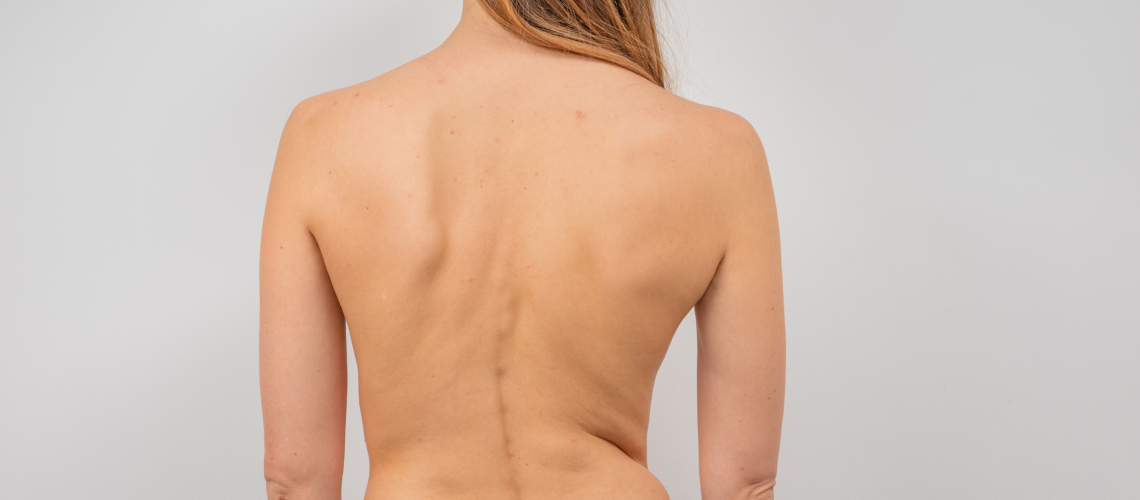
Scoliosis is more than just a curved spine. It’s often a sign of how your body is compensating for deeper imbalances.
So, what causes scoliosis—and more importantly, how can you support better alignment, mobility, and function at any age?
Let’s take a closer look.
The Many Contributors to Scoliosis
Scoliosis can appear in kids, teens, or adults—and for many, the cause isn’t entirely clear. That’s why we look beyond the curve and take a whole-person approach. Here are some common (but often overlooked) contributors:
✅ 1. Injuries
Trauma—like falls, sprains, or even birth injuries—can lead to compensatory muscle patterns and spinal tension. Over time, these changes can alter posture and movement, contributing to asymmetrical spinal curves.
✅ 2. Nerve Tension
Tension in the nervous system, especially in the spinal cord or meninges (protective coverings), can create restrictions in how the spine grows or moves. This is particularly relevant in children, whose bodies are still developing. Gentle nerve-focused therapies can help reduce these restrictions and improve motion.
✅ 3. Proprioception Issues
Proprioception is your body’s ability to sense position and movement. If this system isn’t working well—due to past injuries, neurological imbalances, or poor muscle tone—it can lead to poor postural control and altered spinal alignment.
✅ 4. Retained Primitive Reflexes
In children, certain early reflexes (like the asymmetrical tonic neck reflex) should integrate as the nervous system matures. When they don’t, they can interfere with posture, balance, and movement. This can affect spinal development and contribute to scoliosis-like patterns.
✅ 5. Hypermobility
Some people are naturally more flexible, which may sound like a good thing—until it starts to affect stability. Hypermobility can lead to poor postural endurance, muscle fatigue, and spinal curves that progress over time without proper support.
What About “Idiopathic” Scoliosis?
The most common diagnosis—idiopathic scoliosis—literally means “we don’t know why it happens.” But often, it’s a combination of the factors above, influenced by growth spurts, lifestyle, activity level, and even breathing patterns.
Rather than chasing one root cause, we focus on restoring balance across your whole system.
How We Can Help at Frederick Chiropractic Wellness Center
We believe scoliosis deserves more than just “watch and wait.” Whether you’re navigating a new diagnosis or dealing with years of spinal imbalance, we offer proactive support to help you feel and function better:
✅ Gentle Chiropractic Care
We use drop-piece and instrument-assisted techniques to restore motion and reduce tension—no twisting or cracking needed. These techniques are safe and effective for kids, teens, and adults.
✅ Soft Tissue and Fascial Therapy
Muscle and fascial tightness can pull the spine out of balance. We use hands-on and instrument-assisted techniques to improve tissue mobility and reduce asymmetrical tension.
✅ Mobility and Strength Training
Strong, balanced muscles are key to stabilizing the spine. Our in-office strength and mobility work helps correct imbalances and support long-term postural health—especially for hypermobile or growing bodies.
✅ Proprioceptive and Reflex Integration Work
For children and teens, we assess retained reflexes and use specific exercises to support healthy neurological development and balance. Proprioceptive tools like the vibration plate can help reconnect the brain and body to better postural control.
✅ Low-Level Laser and FSM Therapy
For pain or inflammation associated with scoliosis, we may use low-level laser (Avant) or Frequency Specific Microcurrent therapy to calm nerve irritation and promote healing.
You’re Not Alone—And You’re Not Powerless
Scoliosis doesn’t have to mean living with pain, stiffness, or fear of progression. Whether you’ve recently been diagnosed or have lived with it for years, we’re here to help you understand your body, regain control, and feel confident moving again.
Let’s work together to improve your strength, stability, and spinal health—without surgery or long-term bracing.
📅 Schedule a consultation today and let’s take a proactive, holistic approach to scoliosis care.
Subtitle: Understanding scoliosis beyond the X-ray—and what you can do to support better posture, balance, and spinal health
Scoliosis Awareness Month gives us a chance to talk about something many people live with—but few truly understand. At Frederick Chiropractic Wellness Center, we often see patients who are told they have scoliosis but aren’t sure what it means, why it happened, or what to do next.
Scoliosis is more than just a curved spine. It’s often a sign of how your body is compensating for deeper imbalances.
So, what causes scoliosis—and more importantly, how can you support better alignment, mobility, and function at any age?
Let’s take a closer look.
The Many Contributors to Scoliosis
Scoliosis can appear in kids, teens, or adults—and for many, the cause isn’t entirely clear. That’s why we look beyond the curve and take a whole-person approach. Here are some common (but often overlooked) contributors:
✅ 1. Injuries
Trauma—like falls, sprains, or even birth injuries—can lead to compensatory muscle patterns and spinal tension. Over time, these changes can alter posture and movement, contributing to asymmetrical spinal curves.
✅ 2. Nerve Tension
Tension in the nervous system, especially in the spinal cord or meninges (protective coverings), can create restrictions in how the spine grows or moves. This is particularly relevant in children, whose bodies are still developing. Gentle nerve-focused therapies can help reduce these restrictions and improve motion.
✅ 3. Proprioception Issues
Proprioception is your body’s ability to sense position and movement. If this system isn’t working well—due to past injuries, neurological imbalances, or poor muscle tone—it can lead to poor postural control and altered spinal alignment.
✅ 4. Retained Primitive Reflexes
In children, certain early reflexes (like the asymmetrical tonic neck reflex) should integrate as the nervous system matures. When they don’t, they can interfere with posture, balance, and movement. This can affect spinal development and contribute to scoliosis-like patterns.
✅ 5. Hypermobility
Some people are naturally more flexible, which may sound like a good thing—until it starts to affect stability. Hypermobility can lead to poor postural endurance, muscle fatigue, and spinal curves that progress over time without proper support.
What About “Idiopathic” Scoliosis?
The most common diagnosis—idiopathic scoliosis—literally means “we don’t know why it happens.” But often, it’s a combination of the factors above, influenced by growth spurts, lifestyle, activity level, and even breathing patterns.
Rather than chasing one root cause, we focus on restoring balance across your whole system.
How We Can Help at Frederick Chiropractic Wellness Center
We believe scoliosis deserves more than just “watch and wait.” Whether you’re navigating a new diagnosis or dealing with years of spinal imbalance, we offer proactive support to help you feel and function better:
✅ Gentle Chiropractic Care
We use drop-piece and instrument-assisted techniques to restore motion and reduce tension—no twisting or cracking needed. These techniques are safe and effective for kids, teens, and adults.
✅ Soft Tissue and Fascial Therapy
Muscle and fascial tightness can pull the spine out of balance. We use hands-on and instrument-assisted techniques to improve tissue mobility and reduce asymmetrical tension.
✅ Mobility and Strength Training
Strong, balanced muscles are key to stabilizing the spine. Our in-office strength and mobility work helps correct imbalances and support long-term postural health—especially for hypermobile or growing bodies.
✅ Proprioceptive and Reflex Integration Work
For children and teens, we assess retained reflexes and use specific exercises to support healthy neurological development and balance. Proprioceptive tools like the vibration plate can help reconnect the brain and body to better postural control.
✅ Low-Level Laser and FSM Therapy
For pain or inflammation associated with scoliosis, we may use low-level laser (Avant) or Frequency Specific Microcurrent therapy to calm nerve irritation and promote healing.
You’re Not Alone—And You’re Not Powerless
Scoliosis doesn’t have to mean living with pain, stiffness, or fear of progression. Whether you’ve recently been diagnosed or have lived with it for years, we’re here to help you understand your body, regain control, and feel confident moving again.
Let’s work together to improve your strength, stability, and spinal health—without surgery or long-term bracing.
📅 Schedule a consultation today and let’s take a proactive, holistic approach to scoliosis care.